BidFX
An SGX Group company
Sector
Fintech
Overview
BidFX is a leading cloud-based provider of electronic foreign exchange trading solutions for the global financial market.
My role
• Founding Designer
• Lead Product Designer
What we did
• The Challenge statement
• Define user needs, problems, opportunities, and core UX principles
• Competitor research and definition of opportunities & features
My role as Founding Designer and Lead Product Designer
Joined BidFX at its earliest stage when there was no established design function, no design system, and limited product structure. Worked directly with founders, product stakeholders, and engineering teams to transform vision into a scalable trading platform used by global financial institutions. Created clarity from ambiguity, defined product direction, established design processes, and helped shape both the user experience and the design culture as the company scaled.
Once the product went live and we started receiving feedback from our users, my role shifted to a Lead Product Designer. I focused on understanding user needs, solving complex problems, improving existing features, and helping shape new ones that delivered real value to both our users and the business.
As the design team grew, I worked closely with a talented group of designers to improve the usability and quality of our products while maintaining a consistent experience across our expanding portfolio of FX trading applications. One of the key challenges was continuously evolving and maintaining our design system to scale alongside the product, while keeping an efficient collaboration between design, engineering, and product teams.
My passion for technology has also driven me to keep up with the latest design tools and practices. During my time at BidFX, we moved from Sketch and InVision to Figma and FigJam, migrating our entire design library and improving the way we worked as a team. I also helped strengthen the collaboration between design and engineering by connecting our design system with Storybook, making the handover process smoother and more consistent. More recently, I have been exploring how AI can be integrated into the design process to improve quality, speed up workflows, and help designers focus on higher-value work.
The Challenge statement
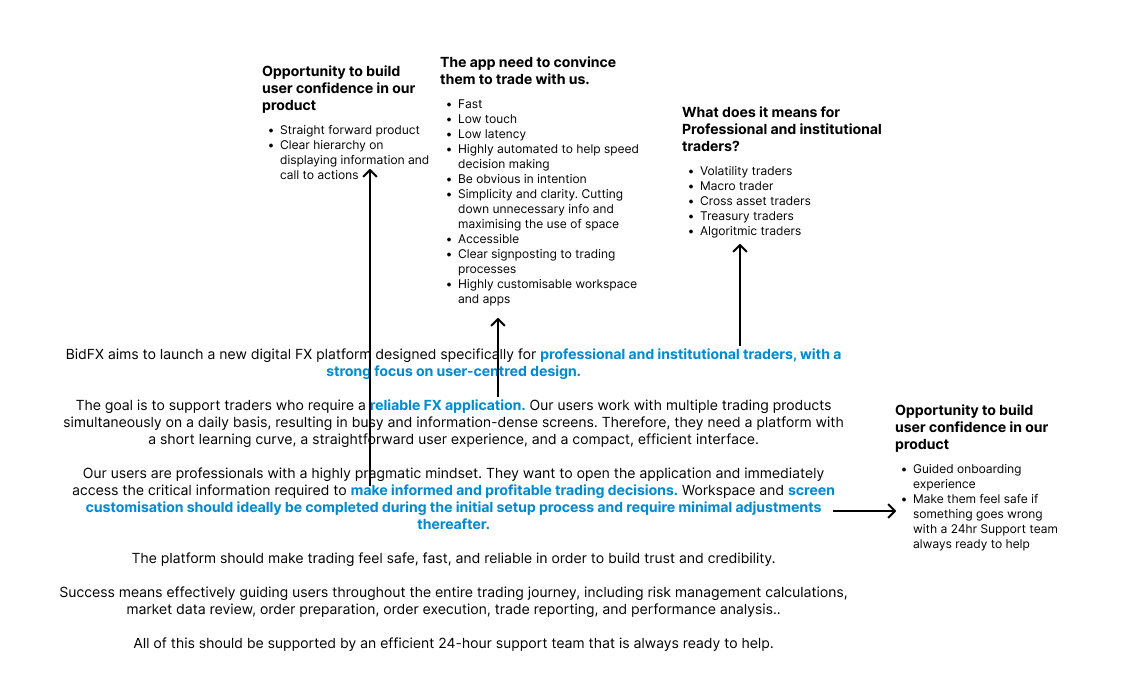
Define User Needs, Problems, Opportunities and Core UX Principles
Key audience
It is vital during a project’s development to establish a well-defined target audience. We identified our target users to ensure that all design, functionality, and content decisions are aligned with the right audience. This includes understanding their level of expertise, trading strategies, the types of assets they trade, and the characteristics that differentiate them from retail traders. This insight enabled us to tailor the platform effectively to their specific needs and expectations.
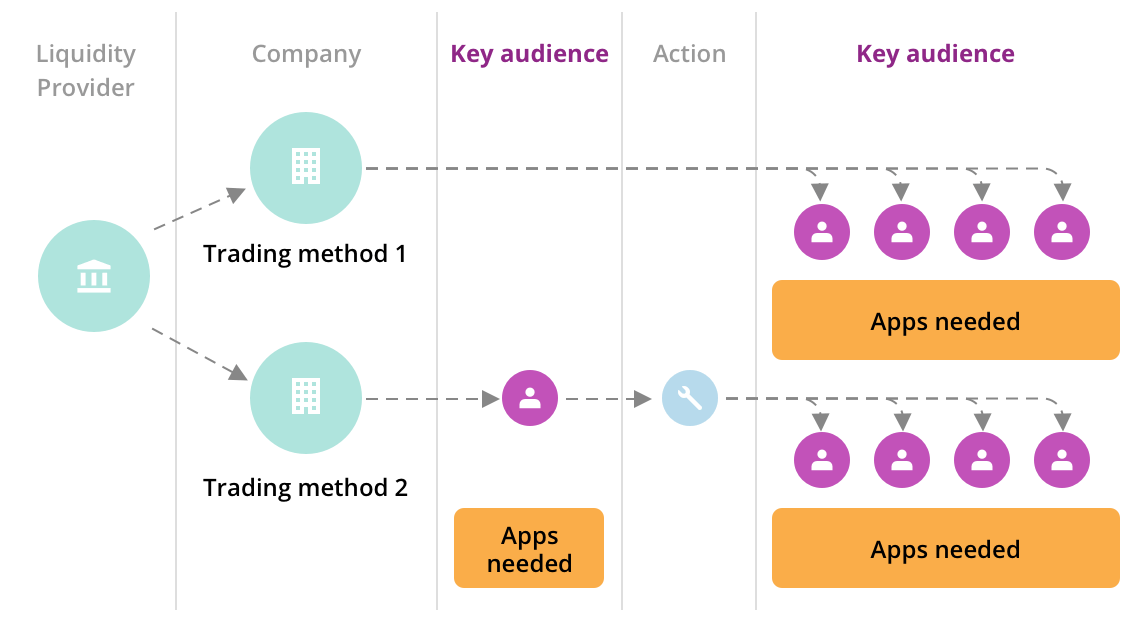
Treasury Traders
Corporate finance teams managing FX exposure for international operations like Multinational companies, Export/import firms, Corporate treasuries
Volatility Traders
Trader profiting from rapid price swings driven by volatility, breaking news, economic uncertainty, and sudden market sentiment shifts across global markets.
Macro Traders
Hedge funds, macro funds, discretionary traders that trade currencies based on interest rates, geopolitics, inflation, and central bank policy.
Competitor research and definition of opportunities & Features
After defining user needs, problems, opportunities, UX principles, and planning the MVP to serve the broadest possible audience and begin gathering client feedback, which helps identify usability issues, missing features, and user needs in real conditions, we focused our competitor research on key areas such as complex charting and data visualisation, fast and simple trade execution, highly customisable dashboards, and real-time market data.
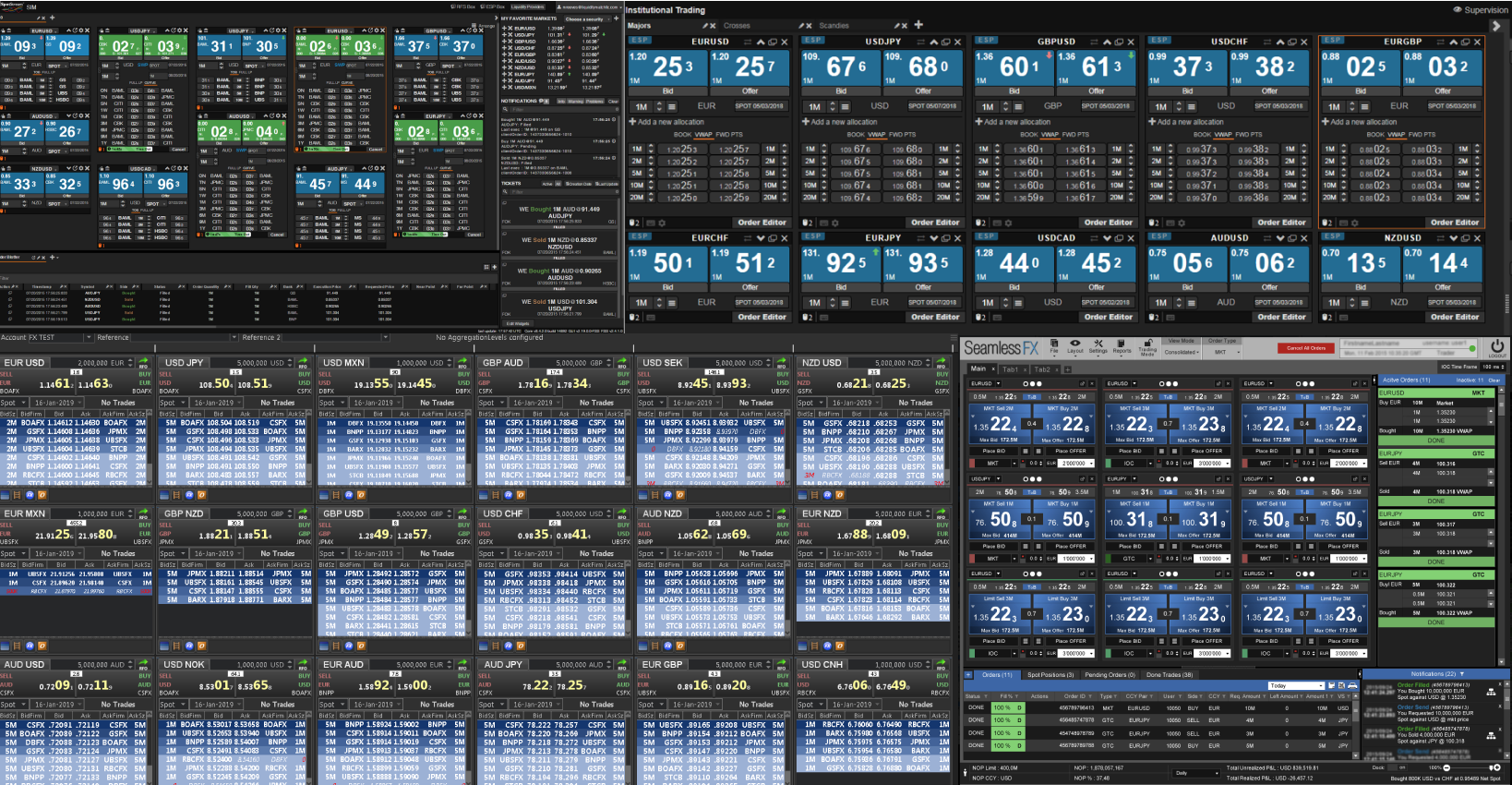
Live market data
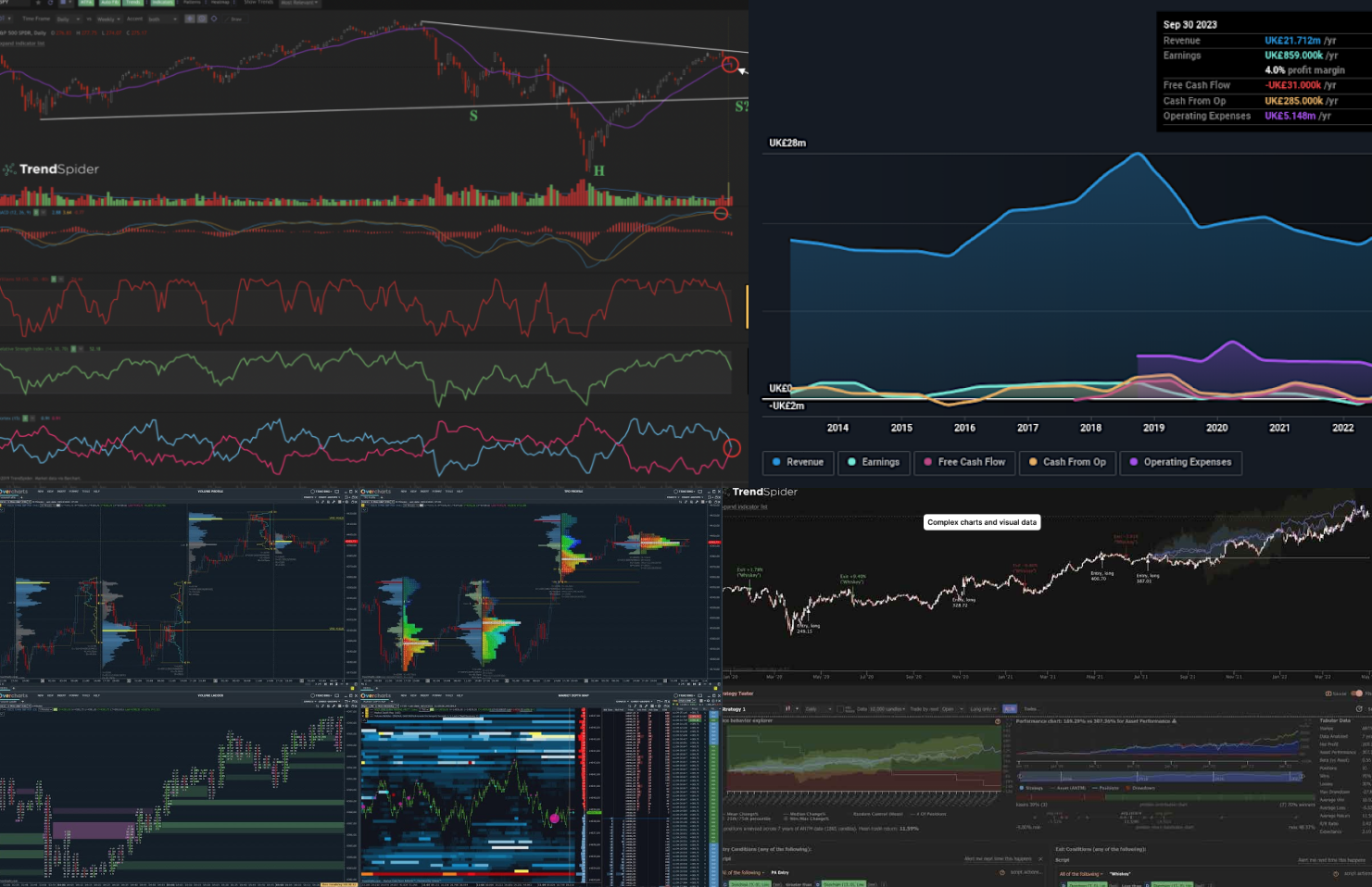
Complex charts and visual data
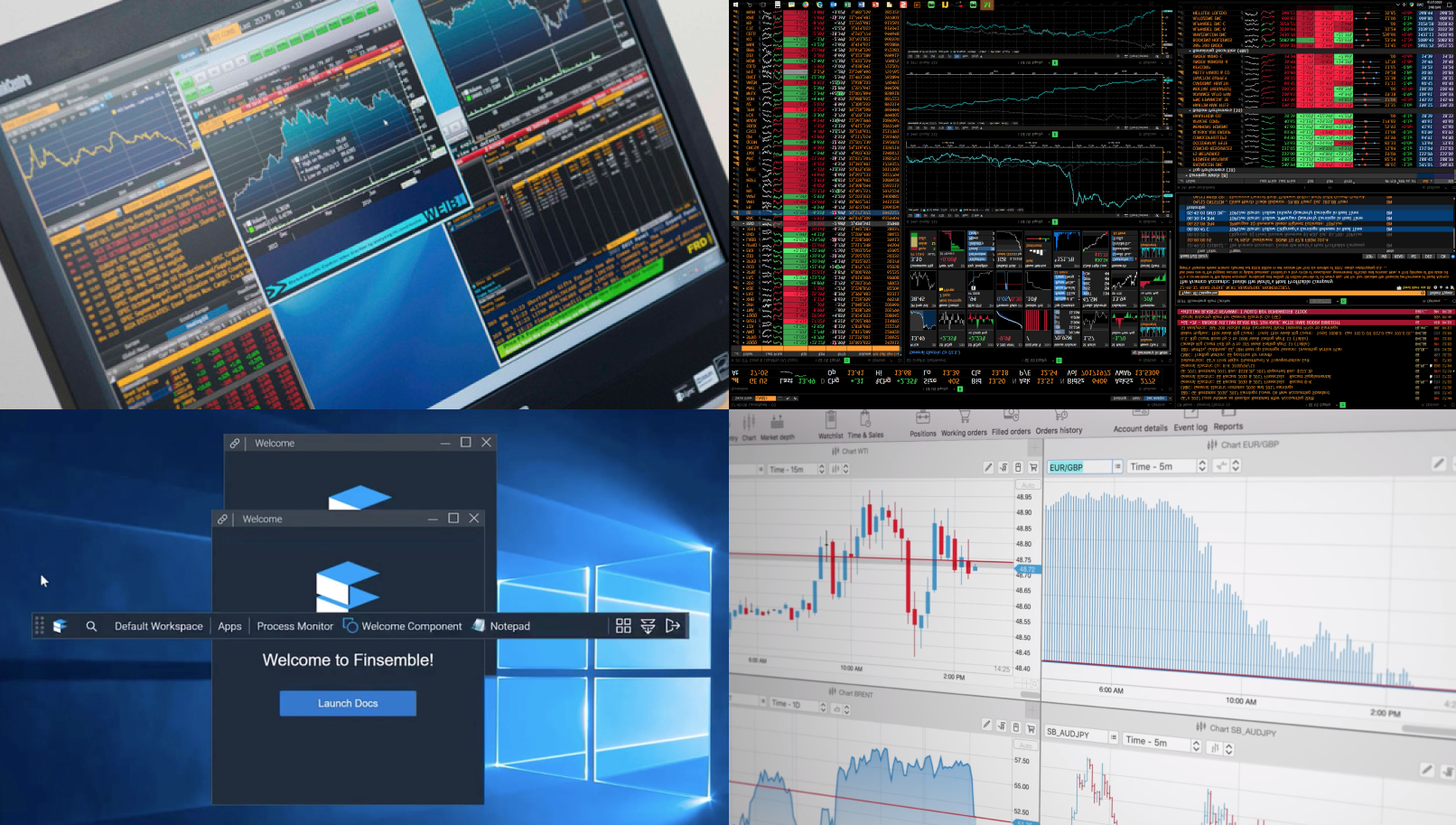
Highly Customisable dashboards
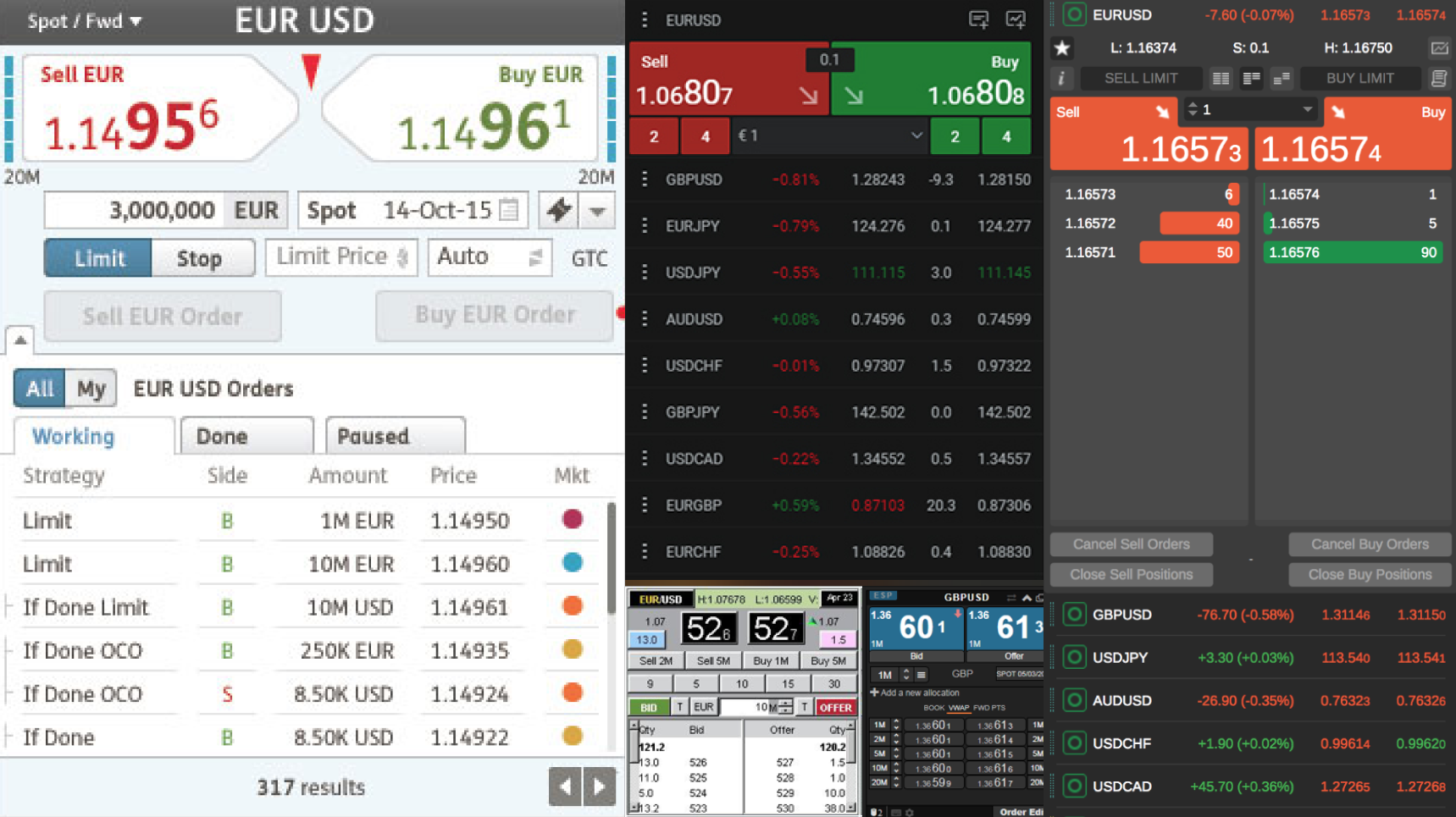
Fast and simple trade execution
Deliverables
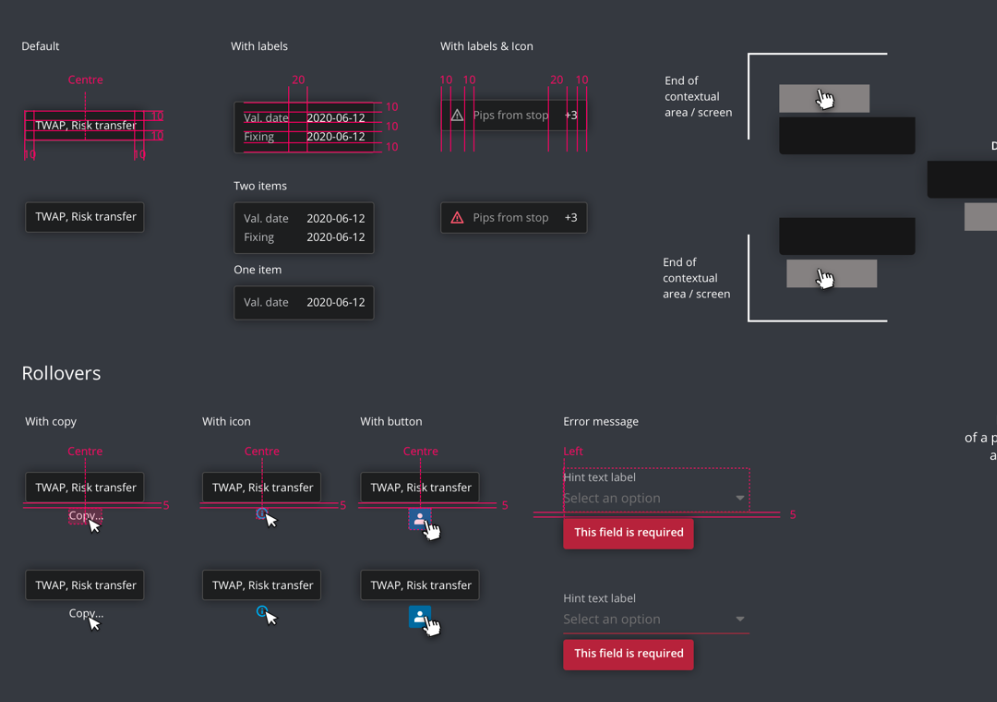
Design System
A design library was created to keep the platform consistent and easier to design.
Traders often spend many hours watching markets, so the interface was designed mainly in dark mode to reduce eye strain and help them stay focused.
The library includes fonts, colours, buttons, charts, and other reusable components used across the platform. Having these elements ready helped the design team work faster, keep the interface clear, and ensure all parts of the trading applications look and behave consistently.
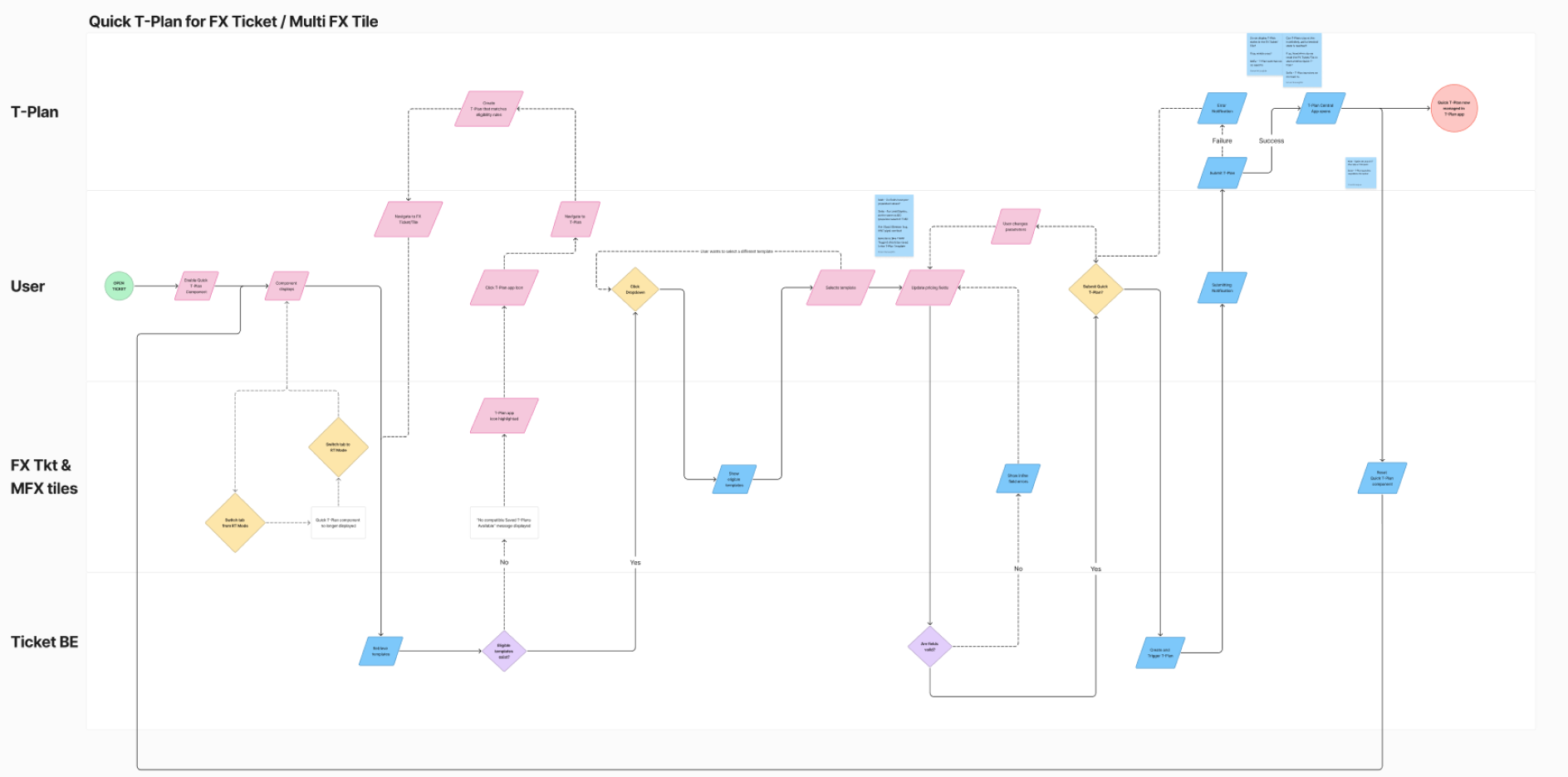
User flow
User flows were created to understand how Treasury, Volatility, and Macro traders move through the platform to complete their main tasks.
This helped the team see how users check market data, monitor risk, and execute trades.
By mapping these steps, we were able to simplify the process, remove unnecessary actions, and make the platform faster to use, which is important in fast-moving trading environments.
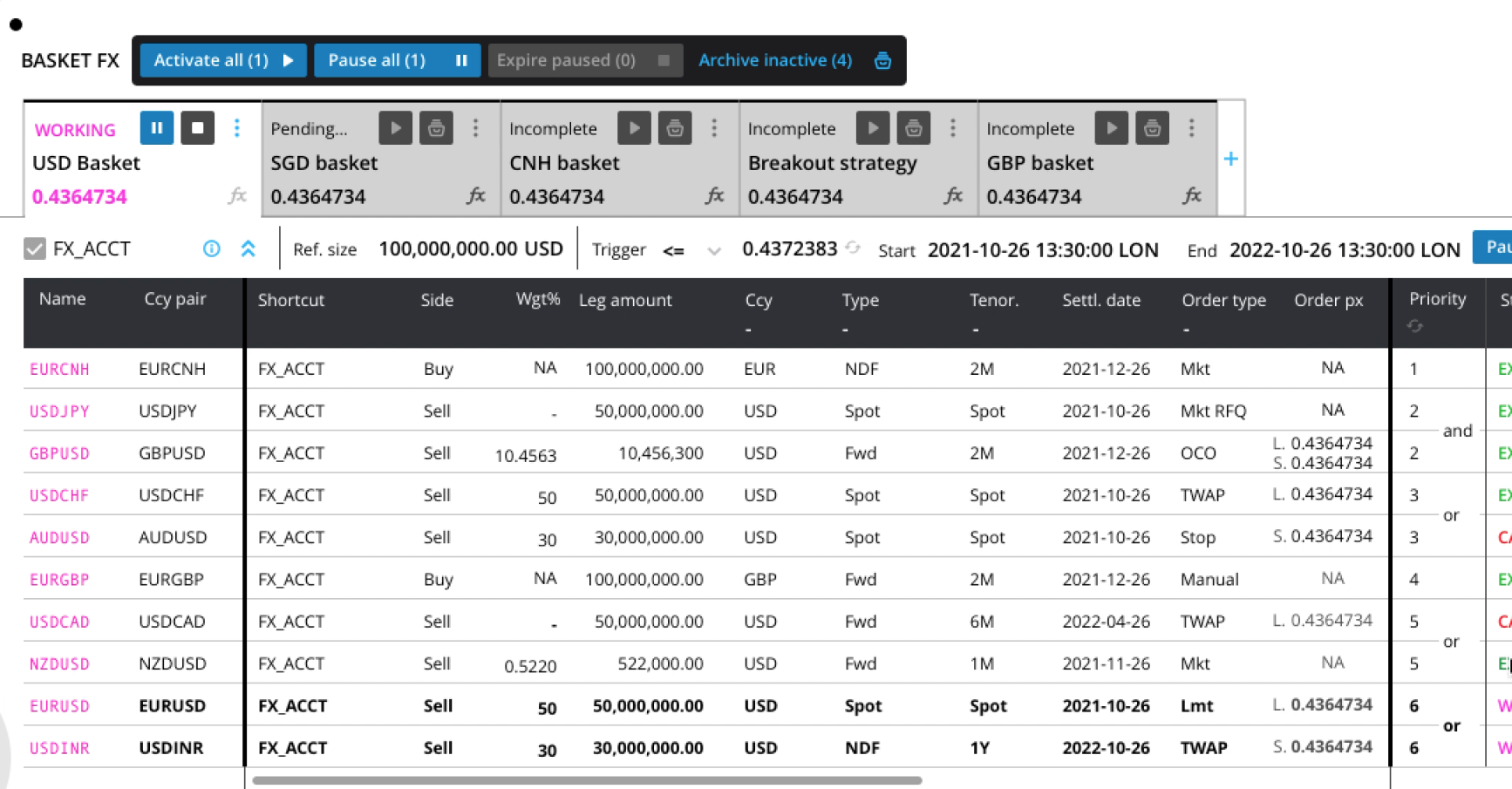
Wireframes
Wireframes turned the early ideas into clear page layouts. They helped organise the most important trading information on the screen.
At this stage, the goal was to define the structure, hierarchy, and main interactions of the platform. This gave the team a first clear view of how the user experience would work before moving to the final visual
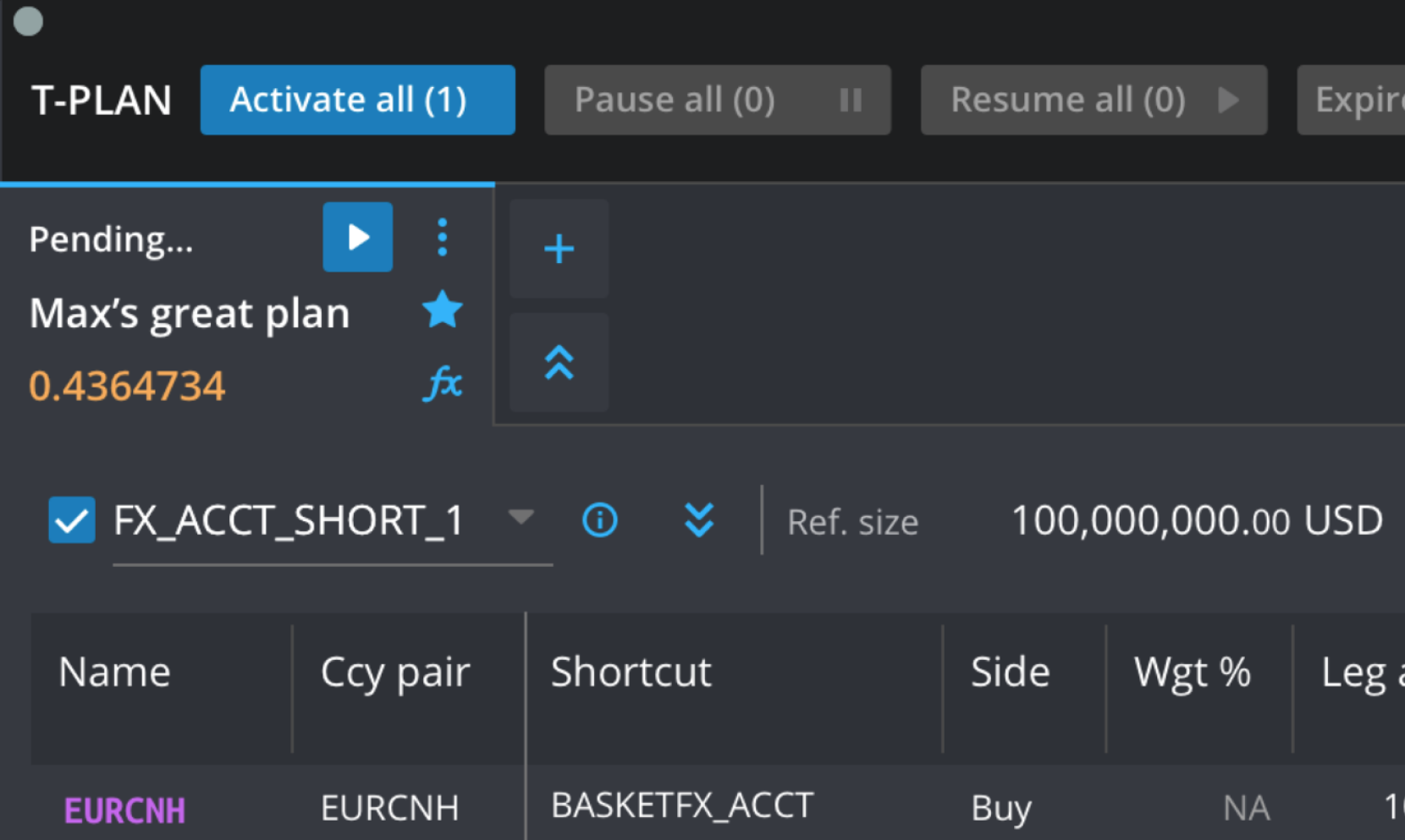
Interface design
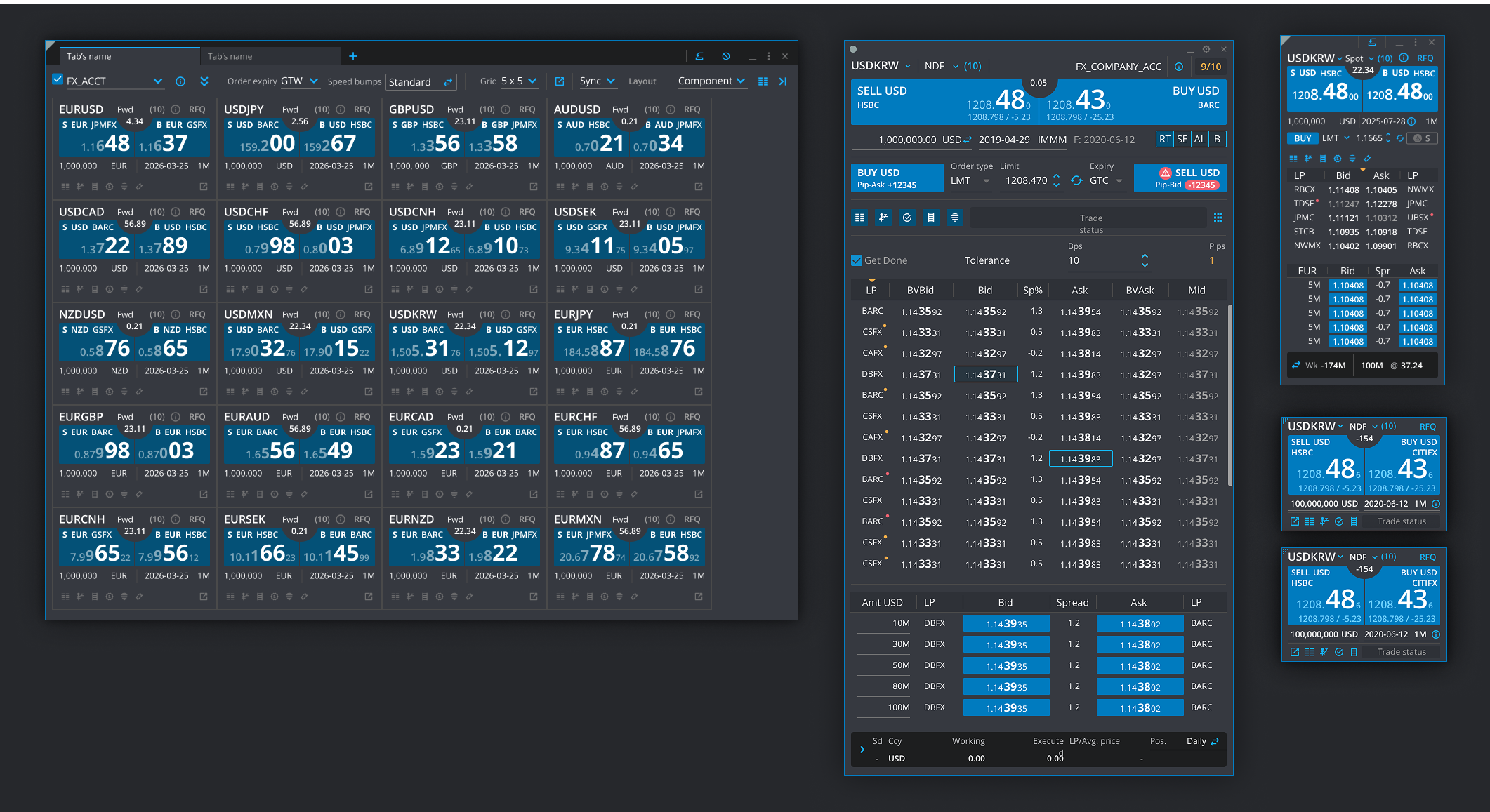
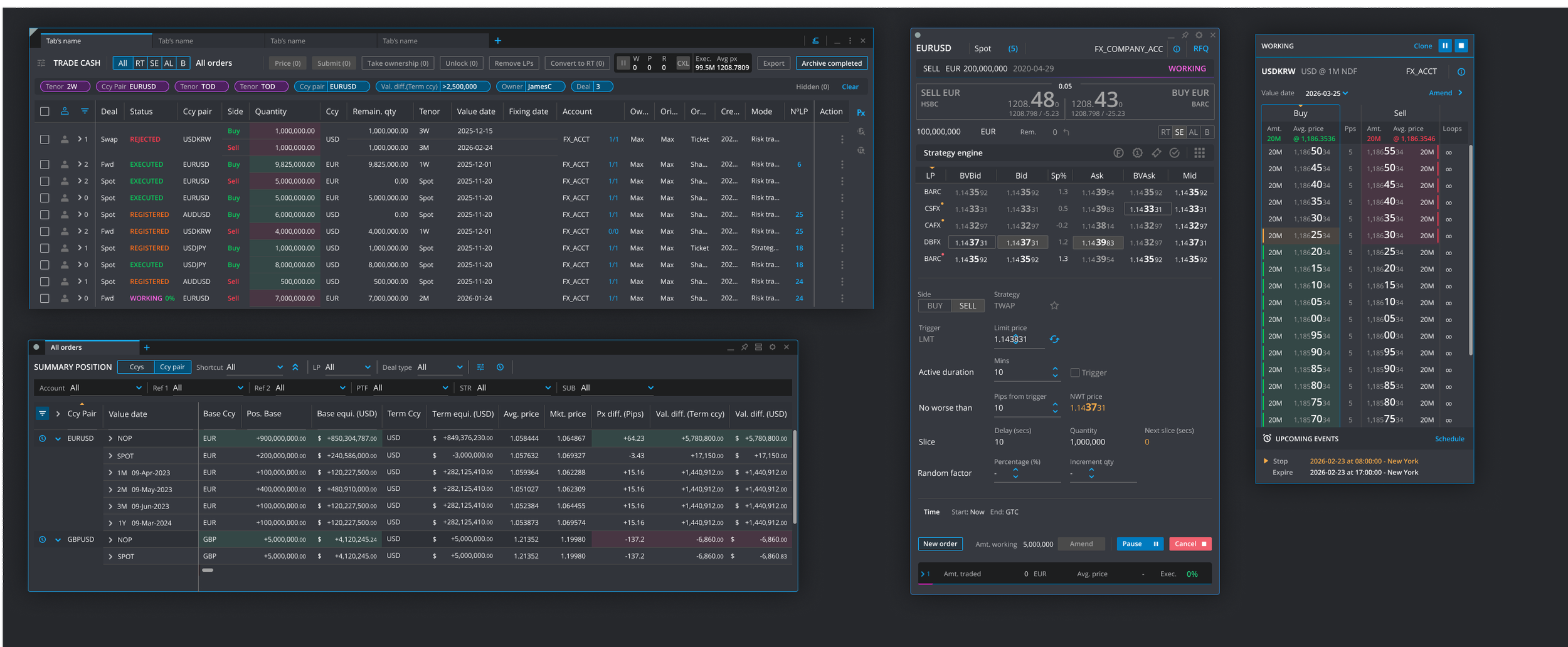
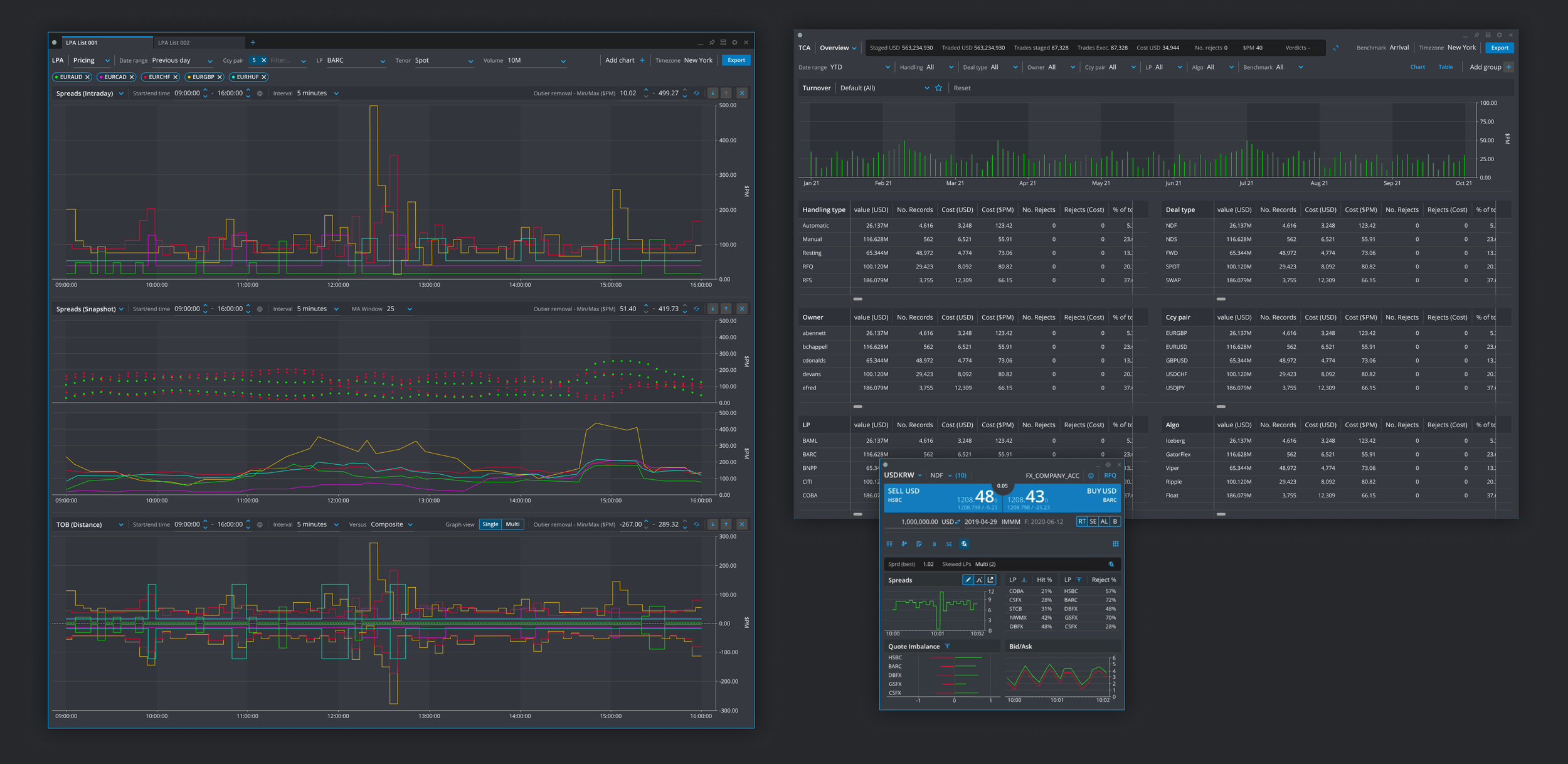
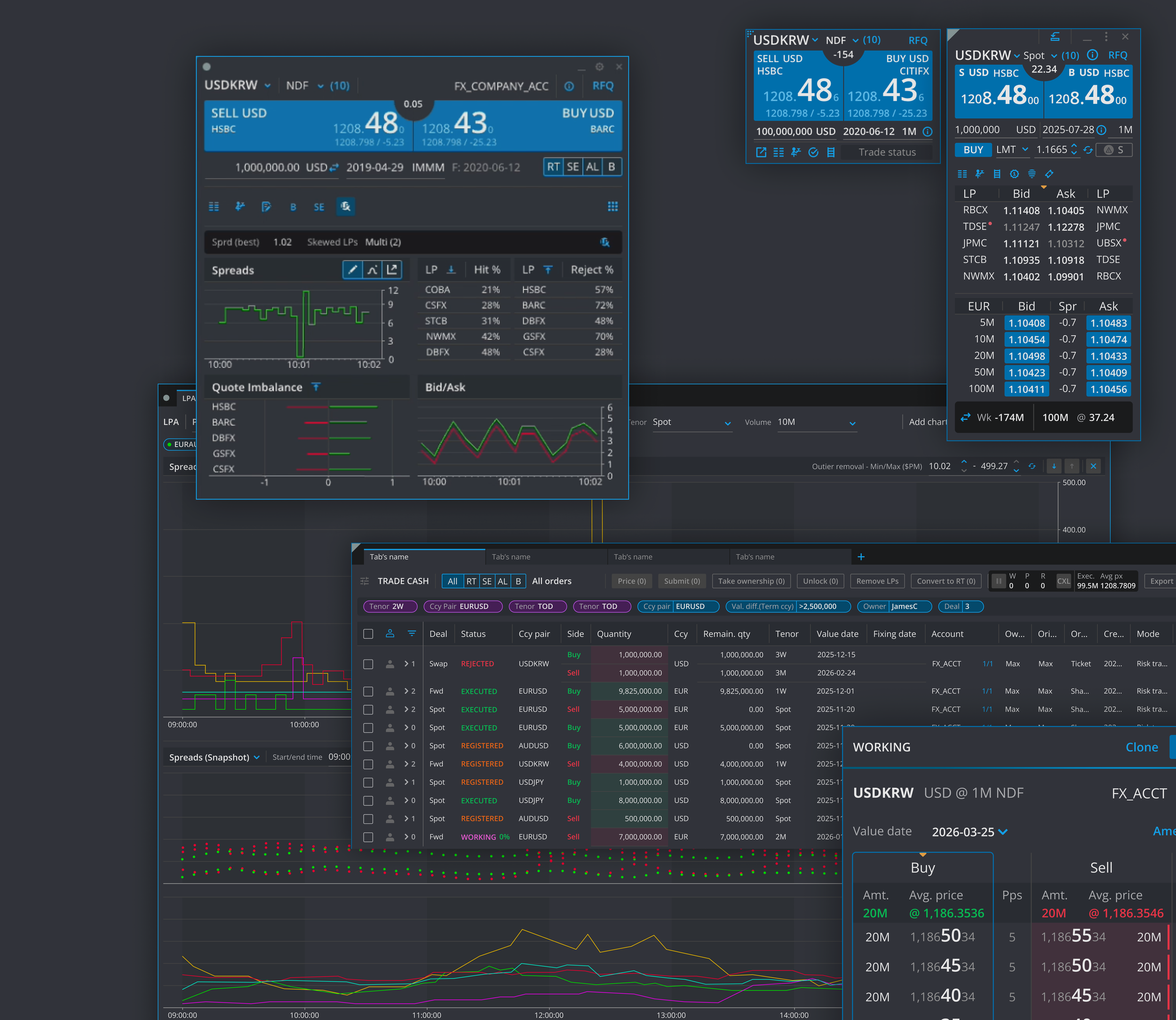
The final design stage turned all previous work into a complete and polished trading interface. Insights from research, user flows, and wireframes were combined to create a clear and organised platform.
Trading tools must show a lot of financial information at the same time, so the design focused on keeping the interface easy to read and quick to use. This stage is important because in trading environments clear interfaces help users understand the market faster and make better decisions
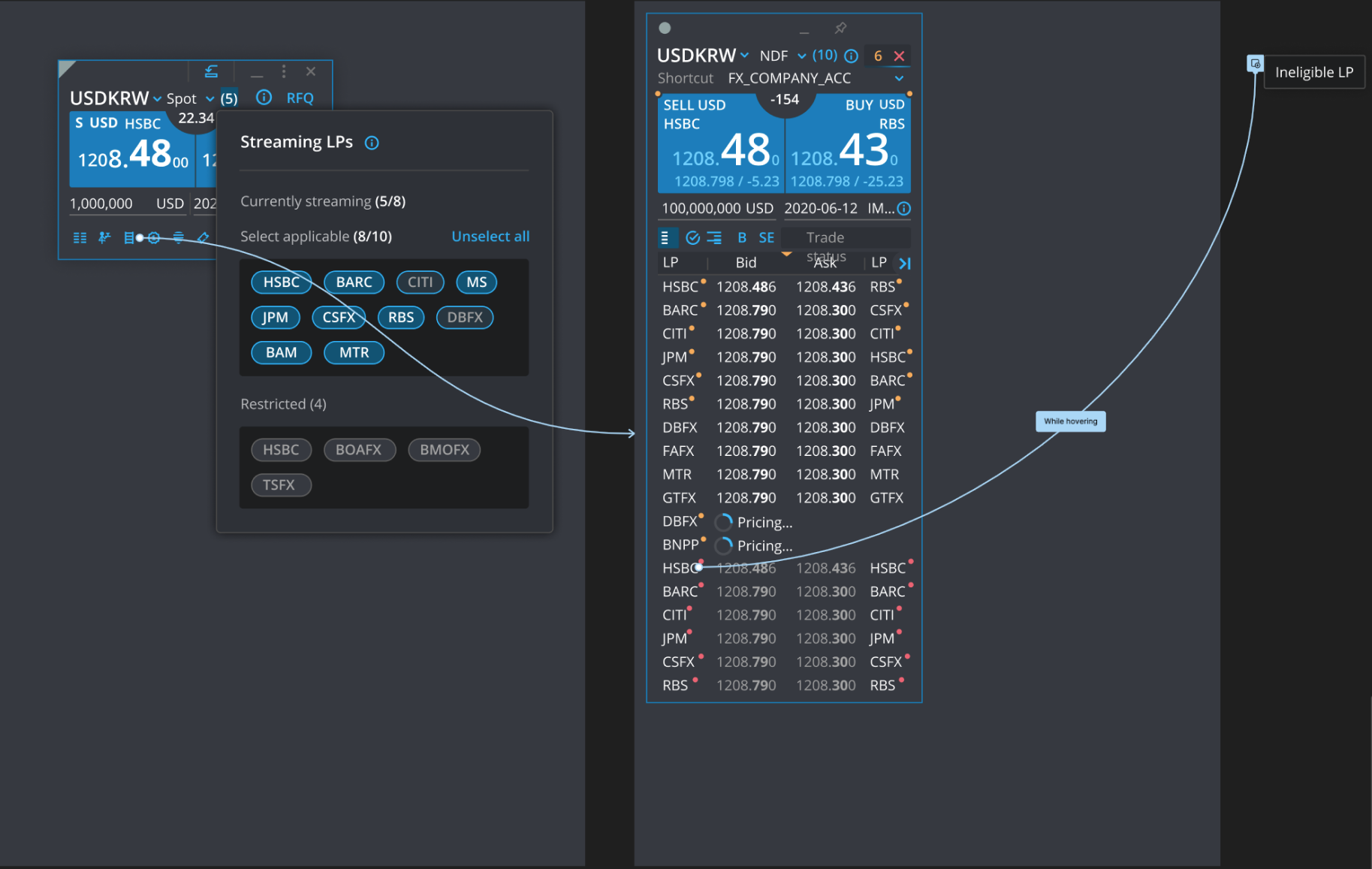
Prototype
Interactive prototypes were created to show how the trading platform would work in real life. Stakeholders and clients could click through the interface and enjoy the full user experience.
This stage helped test how fast interactions felt, whether the information was clear, and if key workflows were efficient, before building the final product.
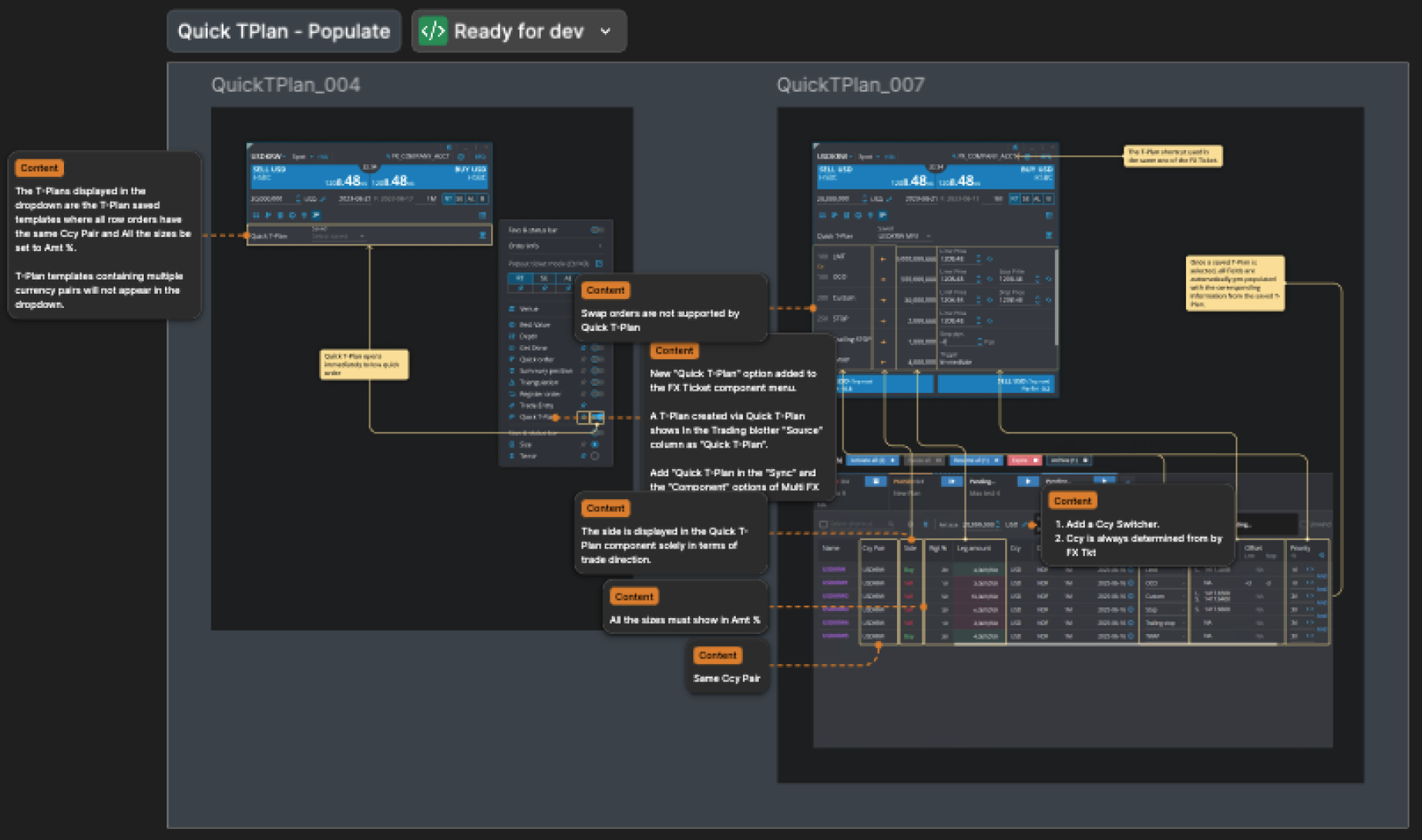
Design Spec & Dev handover
Design specifications and developer handover documented every detail needed to build the platform correctly. This included component layouts, interaction rules, trading panels and more.
This step is important because clear specs and close collaboration with developers ensured the final product was accurate, reliable, and easy to use.